
How to Prepare for Your First Safari in Uganda: A Complete Guide for First- Time Travelers
Your first safari in Uganda is something you’ll remember for a lifetime, the early morning sun over the savannah, the raw sounds of nature, the excitement of spotting wildlife for the very first time.
Uganda has a magic that is hard to explain until you experience it yourself. From gorilla trekking in the misty forests of Bwindi to game drives across the endless plains of Kidepo and Murchison Falls, the Pearl of Africa is truly one of the world’s most unique safari destinations.
If you’re planning your first safari in Uganda, you’re in the right place. At Mermar Safaris, we believe travel should be simple, inspiring, and designed around your pace and comfort. This guide walks you through everything you need to know so you can arrive prepared, relaxed, and ready to enjoy every moment of your safari.
Understanding the Types of Safaris in Uganda
Uganda is more diverse than most people expect. Your safari can include a mix of experiences depending on what you love.
1. Game Drives
Uganda’s national parks offer rich game viewing. In places like Murchison Falls, Queen Elizabeth, Lake Mburo, and Kidepo Valley National Park, you can expect to see elephants, giraffes, buffaloes, lions, antelopes, hippos, warthogs, leopards, and more.
Game drives usually take place early in the morning or late in the afternoon when animals are most active.
2. Gorilla Trekking
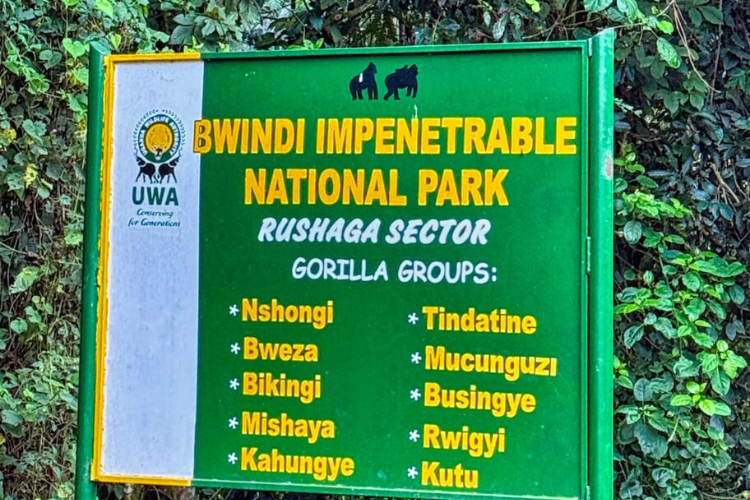
Bwindi Impenetrable NP and Mgahinga Gorilla NP are home to the world’s remaining mountain gorillas. Trekking is a powerful experience, challenging but deeply rewarding. Permits must be booked early because they sell out quickly.
3. Chimpanzee Trekking
Kibale Forest offers one of the highest densities of chimpanzees in Africa. You can also track chimps in Budongo Forest and Kyambura Gorge.
4. Boat Safaris
A boat safari gives you a new perspective of wildlife. In Murchison Falls, you’ll see hippos, crocodiles, elephants, and birds along the Nile. In Queen Elizabeth, the Kazinga Channel is a highlight for birders and photographers.
5. Nature Walks & Cultural Encounters
Guided walks let you explore Uganda slowly, discovering plants, birds, insects, and the stories of local communities. In the Albertine region, cultural visits add meaning and connection to your journey.
Best Time to Visit Uganda for Safari
Uganda is a year-round safari destination, but the dry seasons are the most ideal:
• June–September
• December–February
During these periods, roads are easier to navigate, vegetation is thinner, and wildlife viewing becomes easier.
That said, the green season (March–May, October–November) has its charm, lush scenery, lower lodge rates, and fewer tourists. If you don’t mind a bit of rain, it can be an incredibly rewarding time to travel.
Permits and Advance Bookings
For first-time safari travelers, this is an essential step:
Gorilla Trekking Permits
• Must be booked months in advance.
• Only a limited number are issued per day.
Chimpanzee Trekking Permits
Also require advance planning because demand is high, especially in Kibale Forest.
Park Entry Fees
Each national park has its own conservation fees. Most tour operators include them in your package, but it’s always good to confirm.
Lodges & Transport
Uganda’s top lodges fill up quickly during peak season. Booking early ensures you get the comfort level you prefer.
At Mermar Safaris, we plan according to what the client wants, but of course, availability can determine a lot. The earlier you confirm, the smoother your safari planning becomes.
What to Pack for Your Uganda Safari
Packing well is one of the best ways to enjoy your safari comfortably. Uganda’s climate is friendly, but weather and terrain can be unpredictable.
Essential Clothing
• Lightweight, breathable trousers and long-sleeved shirts
• Neutral-colored outfits (beige, brown, olive, khaki)
• Comfortable hiking boots or closed shoes
• A warm sweater or fleece for cool mornings and evenings
• A light rain jacket or poncho
• A hat to protect you from the sun
Safari Gear
• Binoculars for better wildlife viewing
• A camera with extra batteries or a power bank
• A daypack for carrying essentials during treks
• A reusable water bottle
• Sunglasses
Toiletries & Health Essentials
• Insect repellent
• Sunscreen
• Personal medication
• Basic first-aid items
• Hand sanitizer and wipes
Documents
• Passport
• Vaccination certificates (especially yellow fever)
• Travel insurance
A safari doesn’t require heavy packing. Choose comfort, simplicity, and clothing that suits the outdoors.
What to Wear on Safari (and What to Avoid)
Safari clothing is not about looking the part, it’s about staying safe and comfortable.
• Avoid bright colors (they scare wildlife).
• Avoid black and dark blue (they attract tsetse flies).
• Avoid white (highly visible in dusty parks).
• Avoid camouflage clothing (restricted by law in most East African countries).
Neutral earth tones help you blend in and give you a more immersive experience.
Health, Safety & Wellness Tips
Your well-being is a priority. Uganda is safe for travelers, but a few practical precautions make your safari smoother.
Vaccinations & health checks
• Yellow fever vaccination is required.
• Malaria exists in Uganda; carry repellent and take recommended prevention measures.
Hydration
Drink enough water, especially during hot game drives.
Wildlife Safety
• Always follow your guide’s instructions.
• Do not feed animals.
• Keep a safe distance, even when wildlife gets close.
Safari safety is simple, respect nature, stay alert, and trust your guide.
Money, Payment & Tipping in Uganda
Uganda uses the Uganda Shilling (UGX), but US dollars are widely accepted in lodges and for park payments. You can exchange your money from the bank.
Carry:
• A mix of cash in USD (clean, new notes)
• Some Uganda Shillings for small purchases
• A Visa or Mastercard (for hotel payments)
Tipping Guidelines
Tipping is appreciated but not forced:
• Driver guides: based on satisfaction
• Lodge staff: usually a shared tip box
• Porters during treks: highly recommended
It’s a meaningful way to appreciate the people who ensure you have a memorable experience.
What to Expect on Game Drives
Game drives are the heart of your safari. They’re peaceful, exciting, and sometimes unpredictable.
Early Mornings
Expect to wake up early. Sunrise is when animals are most active.
Patience Pays
Sometimes wildlife appears instantly. Other times, it takes time. The beauty of safari is the unpredictability.
Comfort
Most drives last 2–4 hours. Carry water, a camera, and an extra layer. Restrooms are limited inside parks, so short breaks may be natural or improvised depending on the park.
Travel Logistics: What First-Time Visitors Should Know
Road Trips Between Parks
Uganda is scenic but distances can be long. Drives often range from 2 to 8 hours depending on your itinerary. The reward is worth the journey- tea plantations, crater lakes, villages, rolling hills, and wildlife along the way.
Domestic Flights
If you prefer shorter travel times, domestic flights to Bwindi, Kidepo, Kasese, and Murchison make safaris much easier.
Safari Vehicles
Most safaris use spacious 4×4 vehicles designed for comfort on rough terrain. Pop-up roofs make wildlife viewing easier.
Accommodation on Safari
Uganda offers a wide range of accommodation- budget, mid-range, and luxury. Each lodge has its charm, whether you prefer rustic nature or soft luxury.
Most lodges offer:
• Full board (breakfast, lunch, dinner)
• Warm showers, often solar powered
• Charging spots for phones and cameras
• Fireplaces or outdoor seating for evenings
Expect warm hospitality and uninterrupted views of nature.
Culture, Etiquette & Connecting with Communities
Ugandans are warm, friendly, and welcoming. Simple gestures make a big difference:
• Greet people politely (a “smile”, a “hello” or “how are you?” goes a long way).
• Be respectful when taking photos – ask first.
• Support local communities where you can, especially through crafts and cultural visits.
Travel is most meaningful when it connects you with people, not just places.
Safari Rules & Responsible Travel
Responsible tourism helps protect wildlife and communities.
• Keep noise low during game drives.
• Do not throw rubbish in the park.
• Stay on designated tracks.
• Be respectful to guides, rangers, and wildlife.
• Avoid any actions that may disturb animals.
A safari is a privilege- protecting these spaces ensures they remain wild for generations.
Final Preparation Tips for First-Time Safari Travelers
• Confirm important bookings early, especially gorilla permits.
• Pack light and prioritize comfort.
• Be flexible- nature doesn’t work on a strict schedule.
• Stay curious, ask questions, and enjoy the journey at your own pace.
• Travel with an open mind; every safari is unique.
And remember, a Ugandan safari is not about speed or strength; it’s about presence. You simply show up, go at your own rhythm, and let nature reveal itself. Your guide will always adjust the pace to what feels right for you.
Ready to Start Planning Your Safari?
If you’re dreaming of a journey filled with wildlife, culture, and the beauty of the Pearl of Africa, we’re here to help.
At Mermar Safaris, we design experiences that fit your comfort, your pace, and your curiosity – whether you’re travelling solo, with friends, or with family.
Start planning your safari with us today and let Uganda welcome you with open skies and unforgettable moments.

Planning a Trip
to Uganda?
Let's help you plan it properly. From customized itineraries to reliable on ground support, we make travel easy and memorable.
Contact Us
Related Blogs
Travel
How Difficult is Gorilla Trekking in Bwindi?
Bwindi Impenetrable National Park is not called “Impenetrable” for nothing. The forest is ancient, untouched, and naturally rugged.
Travel
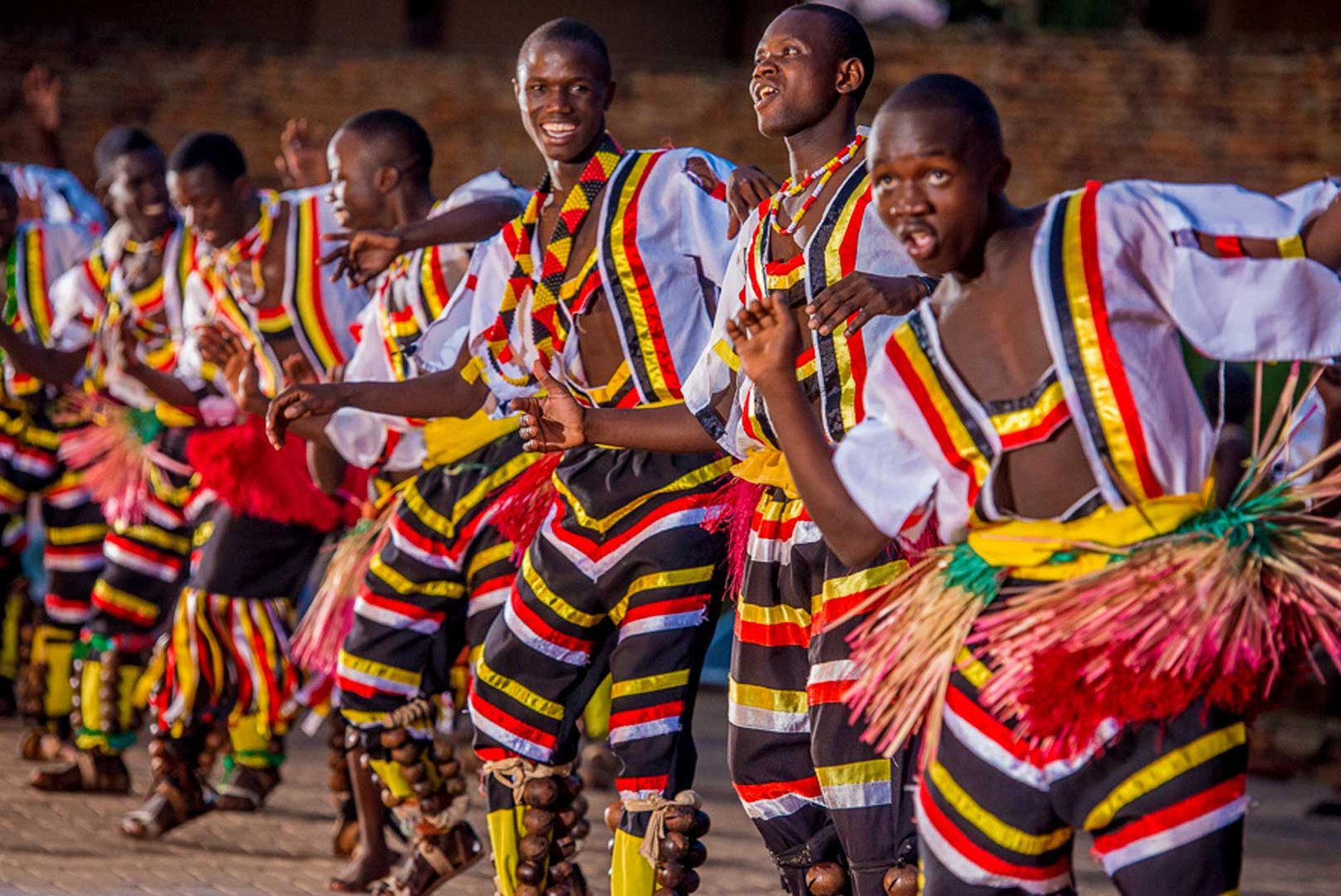
Beyond Wildlife: Top Cultural Experiences
Uganda is home to over half of the world’s remaining mountain gorillas, making it one of the best places on earth for gorilla trekking.
Travel
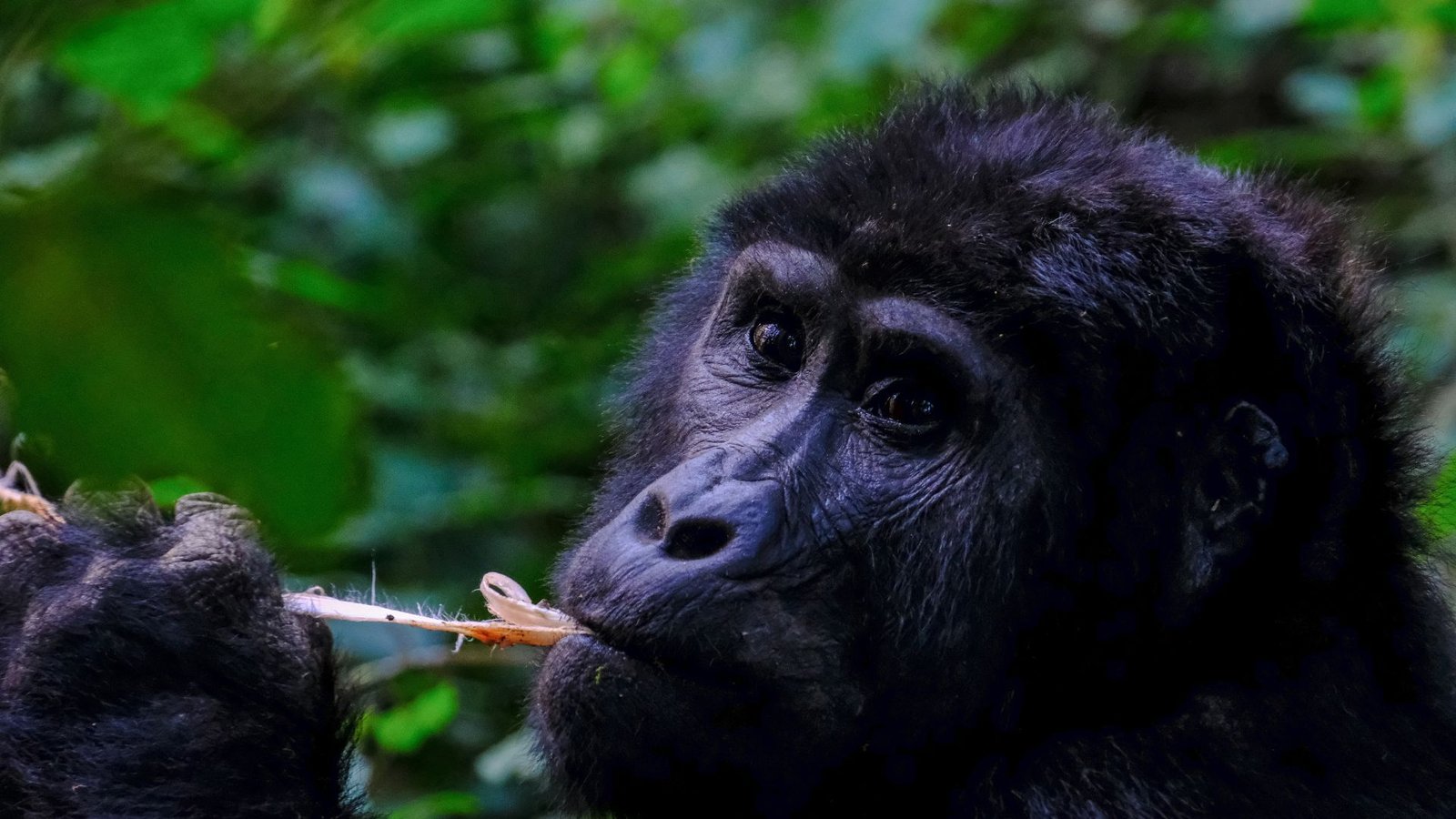
Chimpanzee Trekking in Kibale Forest
At Mermar Safaris, we know that first-time visitors often have questions about what the trek is like, what to pack, when to go,