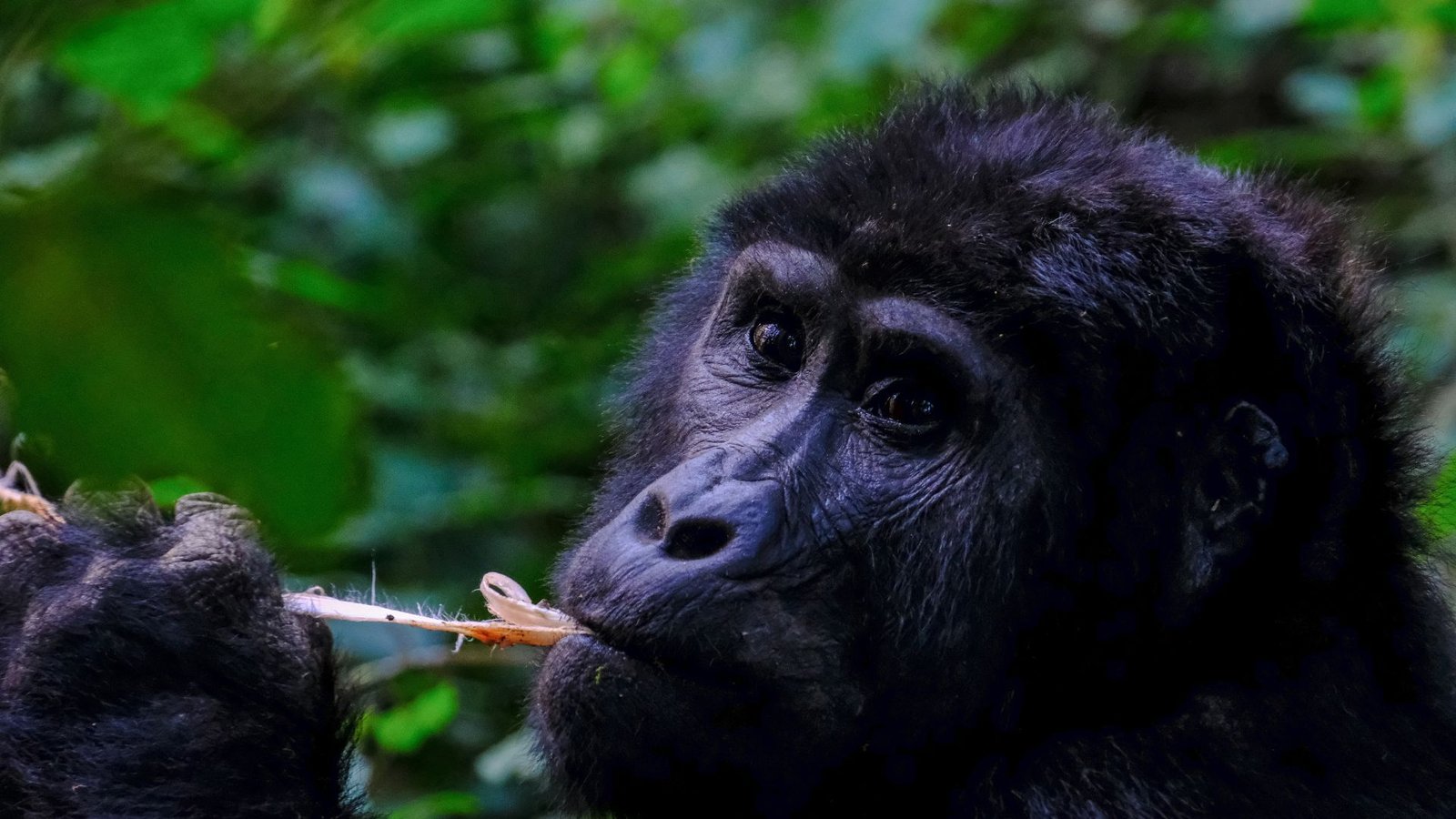
Uganda is often celebrated for its gorillas, tree-climbing lions, and dramatic landscapes. But its cultural heritage offers an equally rich and rewarding side of travel.
The warmth of our people, our traditions, our food, our music, our stories.
Uganda’s cultural diversity is as rich and colorful as its wildlife, and exploring it gives travelers a deeper, more meaningful connection to the Pearl of Africa.
If you’re planning a trip and want to go beyond the traditional safari, here are the top cultural experiences in Uganda, thoughtfully selected and beautifully explained to help you understand what makes this country extraordinary.
1. Buganda Culture & The Kampala Heritage Circuit – Royal History and Living Traditions
Buganda Kingdom is one of Africa’s oldest and most organized traditional monarchies, and its cultural heartbeat is right in Kampala. Exploring Buganda culture gives travelers a glimpse into royalty, spirituality, architecture, and the traditions that continue to shape daily life.
Key highlights include:
Kasubi Royal Tombs
A UNESCO World Heritage Site and the burial ground for Buganda kings. The grass-thatched architecture and symbolism reflect deep spiritual heritage.
The Lubiri (Buganda Royal Palace)
A place filled with history and resilience—its past offers insight into Uganda’s political journey.
Kabaka’s Lake
Africa’s largest man-made lake, built under the reign of Kabaka Mwanga II. It’s peaceful, scenic, and rich with cultural anecdotes.
Craft Markets and Traditional Workshops
Where travelers can learn about barkcloth, drum-making, and handcrafted souvenirs.
For travelers staying in Kampala, this cultural circuit is an ideal introduction to Uganda’s identity- beautiful, historic, and proudly preserved.
2. The Ankole Long-Horned Cattle Experience
In the rolling hills of western Uganda, the Ankole long-horned cattle are more than animals – they are pride, identity, and heritage. Their impressive horns, gentle temperament, and striking beauty make them one of Uganda’s most photographed cultural symbols.
A community experience in Ankole offers travellers a chance to:
• Learn the traditional process of making ghee
• Join women as they milk the cows at dawn or dusk
• Listen to stories passed down through generations
• Walk among the cattle and take photos in the golden sunset light
• Understand why cattle hold deep social and economic meaning
This is a slow, peaceful, immersive activity that offers an opportunity to see Uganda through the eyes of its people.
3. Karamojong Manyatta Experience
Karamoja is one of the most culturally unique regions in East Africa. The Karamojong people have a pastoral heritage defined by cattle, traditional dances, colorful beaded adornments, and tightly knit homesteads known as manyattas.
A cultural visit typically includes:
• A guided tour of a manyatta
• Storytelling sessions with elders
• Traditional dance performances
• Learning about their beadwork and adornments
• Conversations about nomadic life
The Karamojong lifestyle has remained resilient and authentic. Travelers who seek culture, history, and true human connection find Karamoja unforgettable. It’s raw, real, and deeply respectful.
4. Batwa Forest Heritage Experience
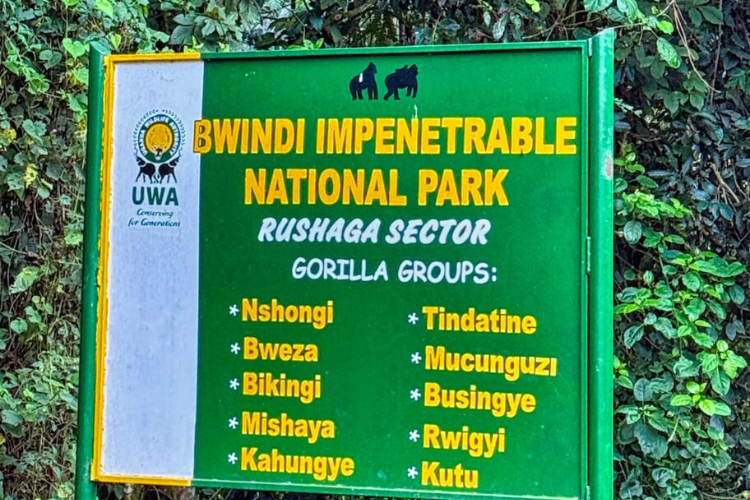
Before Bwindi Impenetrable National Park became famous for gorilla trekking, it was home to the Batwa, forest hunter-gatherers who lived harmoniously with nature. Today, the Batwa share their story through community-led experiences that honor their identity.
Travelers can:
• Learn ancient forest survival skills
• Watch traditional dances
• See how fire was made without matches
• Visit sacred sites
• Hear the Batwa share their personal history
This experience is emotional, educational, and humbling. It adds context and meaning to visits around Bwindi and Mgahinga, reminding travelers of the communities that shaped the region.
5. Northern Uganda’s Acholi and Lango Traditions
Northern Uganda is known for its music, dance, and storytelling—vibrant traditions that have fostered resilience through difficult chapters of history.
A cultural tour here may include:
• Larakaraka dance performances, full of energy and rhythmic drumming
• Local homestead visits
• Tasting traditional dishes like malakwanga, boo, and millet bread
• Storytelling evenings under the stars
Travelers often describe Northern Uganda as a place where culture feels alive, expressed freely in music, food, and everyday life.
6. Ndere Cultural Centre
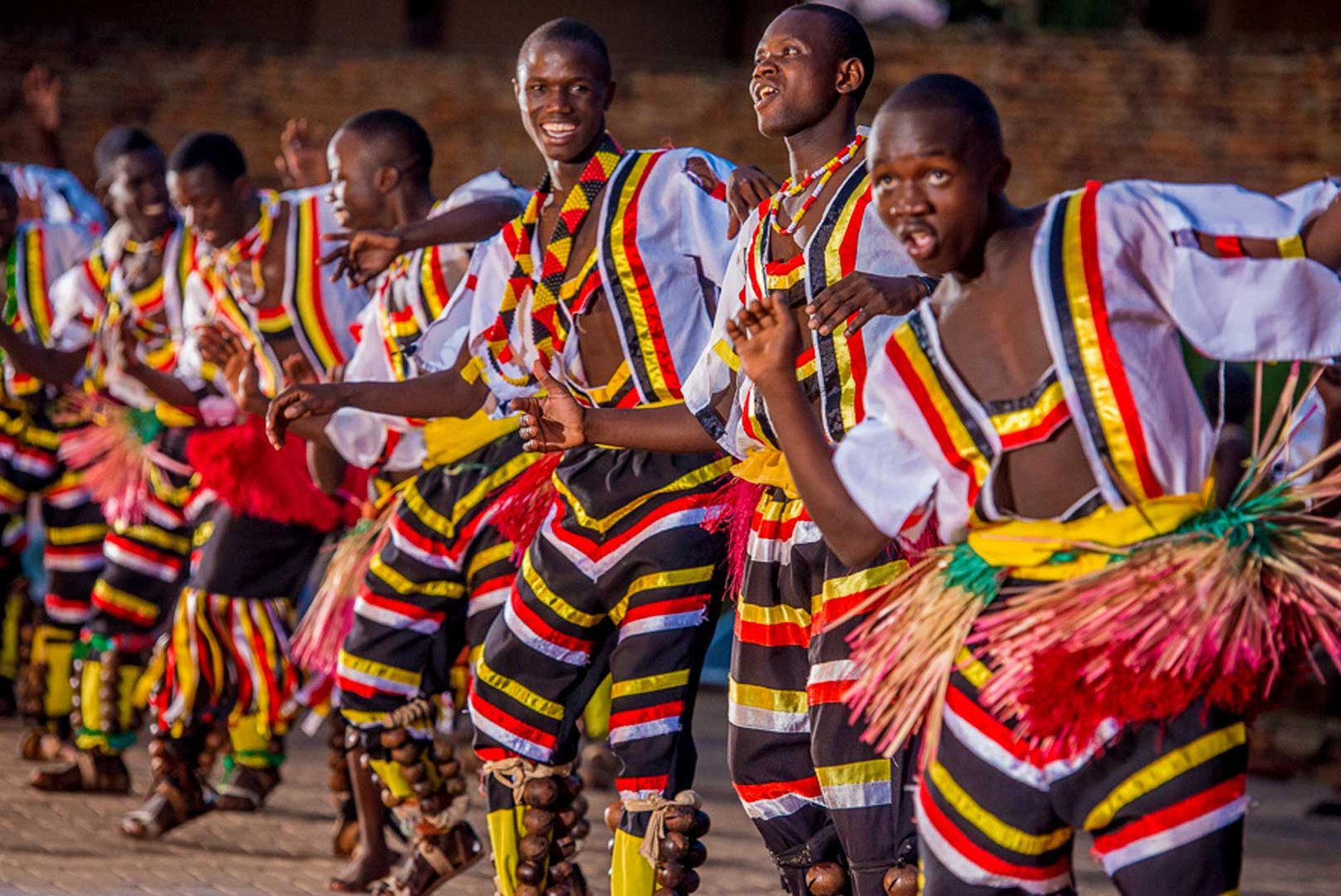
If your time is limited but you want a taste of Uganda’s diversity, the Ndere Cultural Night in Kampala is perfect. For many travellers, it becomes one of the highlights of their trip.
The evening includes:
• Live performances from all regions of Uganda
• Drumming, dance, storytelling, and colorful costumes
• A warm, welcoming ambience in a beautiful open-air theatre
Ndere brings Uganda’s 50+ tribes to one stage, giving travelers a joyful introduction to the country’s cultural mosaic.
7. A Taste of Uganda – Food Tours & Cooking Experiences
Food in Uganda is simple, fresh, comforting, and deeply cultural. A food tour introduces travelers to the flavors that shape our daily lives.
You can explore:
Rolex Street Food Tasting
Eggs, vegetables, and chapati rolled together. It’s the most beloved quick snack.
Luwombo Experience
A traditional dish slow-cooked in banana leaves, often served for special guests.
Market Tours
Nakasero and Owino markets are vibrant, colorful, and perfect for those interested in local ingredients.
Banana Plantation Visits
Where travellers learn about matooke, the heart of Buganda cuisine.
Ugandan food is about warmth and hospitality, and sharing a meal with locals always leaves travellers feeling connected.
8. Coffee and Tea Cultural Trails
Uganda’s highlandsespecially around Mbale, Sipi, Fort Portal, and southwestern Uganda produce some of Africa’s best coffee and tea. A community-led tour invites you to experience the journey from farm to cup.
Highlights include:
• Picking ripe coffee cherries
• Roasting and grinding coffee the traditional way
• Guided tea plantation walks
• Coffee tasting sessions
• Learning about sustainable farming practices
These tours are peaceful, scenic, and perfect for travellers who love slow, mindful travel.
9. Workshops in Traditional Art, Craft, and Music
Uganda’s artistic scene is expressive, colorful, and rich with storytelling. Travellers can join workshops to learn:
• Traditional drumming
• Barkcloth making
• Banana fibre weaving
• Beadwork with women’s groups
• Pottery and painting
These experiences provide meaningful souvenirs, handmade, personal, and deeply connected to the communities that create them.
10. Jinja Community Tours & the Source of the Nile
Jinja is famous for adventure, but its cultural side is just as fascinating. Travellers can explore:
• Fishing villages along Lake Victoria
• The historic Source of the Nile
• The Slave trade Monument and Trail
• Traditional boat-making
• Busoga food and storytelling
• Local craft cooperatives
It’s an easy and enriching addition to any Jinja itinerary.
Why Cultural Experiences Matter
Wildlife shows travellers the beauty of Uganda. Culture shows them Uganda’s soul.
Cultural experiences:
• Support local communities directly
• Preserve traditions for future generations
• Create meaningful connections
• Add depth and purpose to the safari journey
• Help travellers understand the heart of the country
At Mermar Safaris, we believe that the best journeys are the ones where travellers feel connected – not just to nature, but to people, stories, and everyday life.
Ready to Explore Uganda Beyond Wildlife?
Uganda’s cultural experiences are rich, diverse, and deeply welcoming. Whether you want to meet the Ankole community, learn traditional dances, cook a Ugandan meal, or sit with elders and listen to stories, there is a place in Uganda that will open its doors to you.
At Mermar Safaris, we curate cultural encounters that are respectful, authentic, and tailored to your interests.
To start planning your journey, contact us booking@mermarsafaris.com for a trip that goes beyond wildlife, a trip filled with connection, culture and unforgettable moments.